How to Compare Remediation Companies for Lake, Orange, Seminole, and Osceola Properties
When a property takes on water, grows mold, smells like smoke after a small kitchen fire, or needs more specialized work like asbestos handling, the stress tends to flatten everything into one urgent question: who can get here fast? Speed matters, especially when standing water has already soaked baseboards or when humidity starts turning a minor leak into a much bigger mess. But in Central Florida, choosing a remediation company on speed alone can create a second problem right behind the first.
I have seen owners feel relieved after the first crew arrives, only to realize later that the company handled the visible damage and missed the real source. The drywall looked better, but the moisture remained. The smell faded for a week, then returned. The air conditioner kept running, but indoor humidity still hovered too high. In an older building, a renovation or storm-related break exposed materials that should have triggered a more careful asbestos conversation from the start.
That is why comparing remediation companies is less about flashy promises and more about judgment, process, and fit for the kind of loss you actually have. Properties in Lake, Orange, Seminole, and Osceola counties share a lot of the same climate pressures. Humidity runs high, storms can dump water fast, and HVAC systems often end up at the center of indoor air quality complaints. There is also a practical regional point worth knowing: those four counties sit within the same Central Florida asbestos program area under the Florida DEP Central District, so companies working across this region should already be comfortable navigating that regulatory environment.
What “the right company” really means in Central Florida
A good remediation company is not just a cleanup crew. It is a company that can identify the category of problem, contain it properly, dry or remove affected materials appropriately, and explain what comes next in plain English. Sometimes that means aggressive drying after a pipe leak. Sometimes it means mold remediation Lake County property managers can document clearly for tenants and owners. Sometimes it means recognizing that a damaged ceiling texture, old floor tile, pipe wrap, siding, or shingles could involve asbestos, which changes the next steps entirely.
In this region, water is usually the first domino. A roof leak during a summer storm, an overflowing appliance, wind-driven rain after a hurricane band, or flood intrusion can all leave moisture behind. Official health guidance in Florida is very clear on one point that too many people underestimate: mold is strongly linked to moisture, and common molds can begin taking hold when water stands for even 24 hours. That small window is why water damage restoration Central Florida companies often market emergency response so heavily. They are not wrong to emphasize urgency. They are wrong only if they use urgency as a substitute for competence.
The strongest companies treat moisture as the root issue, not just the stain or odor you can see from the doorway.
Start with the loss type, not the brand name
Remediation is an umbrella term, and property owners often compare companies as if every firm does every kind of work equally well. They do not. Some are stronger on water extraction and structural drying. Some have a solid process for fire damage restoration and smoke contamination. Some are equipped for biohazard cleanup. Some can handle odor elimination but are weaker when the odor is a symptom of hidden moisture or HVAC contamination. And when asbestos is even a possibility, you need a company that understands when the project moves into a more controlled lane.
If you are looking at an older property in Groveland or elsewhere in the region, and damaged materials may include old flooring, ceiling material, pipe insulation, siding, or roofing components, asbestos abatement Groveland FL searches are not overkill. They are prudent. EPA guidance makes the point plainly: older homes and buildings may contain asbestos in building materials, and renovation or damage can disturb those materials. If the material is damaged, or if repairs or remodeling could disturb it, a properly trained and accredited asbestos professional is the safer path.
That matters because a company that is excellent at drying a slab or removing wet drywall is not automatically the company you want making judgment calls about suspect asbestos-containing materials.
The first call tells you more than most people realize
You can learn a surprising amount from a ten-minute phone call. The best companies ask focused questions and resist the temptation to oversimplify. They want to know when the event happened, whether water is still entering the building, what materials are affected, whether there is visible growth, whether the HVAC system was running, and whether the property has had prior leaks or repeated odors.
Weak companies often do one of two things. They either promise certainty before seeing the site, or they flood you with generic reassurance. Neither helps.
A thoughtful estimator or coordinator will usually speak in condition-based terms. If water has been present for a day or more, mold risk rises sharply. If mold keeps returning, there may be an unresolved moisture source. If relative humidity cannot be kept below 60 percent without extra dehumidification, Florida health guidance suggests the air conditioning system should be examined for problems. If HVAC mold is suspected, the answer should not be a casual “we’ll fog the vents and see what happens.” It should be a more measured conversation that recognizes contaminated HVAC systems require special care.
That kind of language is not salesmanship. It is a sign they understand the chain of cause and effect.
Why certifications and standards matter, even if you never read them
Most owners never sit down with restoration standards, and that is perfectly normal. You do not need to memorize them. You do, however, want a company that works in alignment with recognized industry standards Lake County restoration help and can explain that in practical terms.
An IICRC-certified remediation company is usually signaling that it takes formal restoration standards seriously. For this kind of work, the relevant standards include water damage restoration, mold remediation, HVAC assessment after water, fire, or mold damage, and fire and smoke damage restoration. Those standards do not guarantee a perfect job. Nothing does. But they give you a better chance of getting a process-driven response rather than improvised cleanup.
That becomes especially important when the damage is not isolated. A storm can wet insulation, framing, flooring, contents, and ductwork all at once. A small fire can trigger smoke spread into adjacent rooms and air pathways. A mold issue that appears to be limited to one wall may turn out to be tied to ongoing HVAC problems or chronic humidity. The company’s discipline matters most where the problem crosses categories.
A fast arrival is valuable, but a fast wrong answer is expensive
Everyone likes to see “24/7 emergency restoration” on a website, and in fairness, that capability matters. Water does not wait for business hours, and a smoke-damaged or sewage-affected property often cannot either. But emergency availability should be the beginning of your evaluation, not the end of it.
I remember a situation where the owner focused entirely on dispatch speed after a weekend leak. The first crew extracted water quickly, which was good. The problem was what happened after that. They treated the event as if visible wet carpet was the whole loss. Nobody seriously addressed humidity conditions in adjacent rooms, and nobody asked whether the air handler had continued circulating during the event. Within days, the building smelled musty in places that had seemed untouched. The return visit cost time, money, and trust.
A stronger company would have treated the emergency phase and the investigative phase as connected. Drying is not just removing puddles. It is controlling the environment so secondary damage does not spread.
Pay attention to how they talk about mold
Mold tends to attract both panic and overselling. Good companies cut through both.
Florida health guidance is refreshingly practical here. Mold should be removed promptly. If it returns quickly, fix the leak or moisture source first. That sounds obvious, but it gets missed constantly. Owners spend money on repeated cleaning, deodorizing, or surface treatment when the building still has a humidity or intrusion problem feeding the issue.
When comparing providers, listen for whether they center moisture control. If they are talking about treating surfaces without talking about where the water came from, that is a red flag. If they mention indoor humidity and the importance of staying below 60 percent, that is a better sign. If they hear “we run the AC all day and it still feels damp” and immediately suggest examining the HVAC system, that is even better.
This is especially relevant for properties with recurring HVAC mold concerns. Florida health guidance notes that if a central HVAC system needs a dehumidifier just to keep humidity below 60 percent, the air conditioning system should be examined for underlying problems. And if the HVAC system may be contaminated with mold, owners should consult established guidance before moving ahead casually. In other words, a company that treats vents as just another surface to spray is not demonstrating careful judgment.
Fire, smoke, odor, and the mistakes people make when comparing bids
Fire losses are often compared too narrowly. Owners focus on charred materials in the immediate burn area and forget that smoke and odor can travel well beyond the room where the fire started. Fire damage restoration requires a company that can think in terms of spread, not just impact point.

Odor elimination is a perfect example. A low bid that promises to “remove odor” may sound appealing, but odors are not always independent problems. Smoke odor may be tied to contamination that reached cavities or mechanical pathways. Musty odor may reflect active moisture. After storms or plumbing failures, odor can indicate contamination in porous materials that were not removed soon enough. In biohazard cleanup, odor can also be part of a broader sanitation and removal issue.
A company worth considering will usually avoid promising instant odor resolution without discussing source control. That may feel less comforting in the moment, but it is the more honest answer.
Storm season separates organized companies from persuasive ones
Central Florida properties do not need a major hurricane to suffer meaningful damage. Afternoon storms, roof failures, wind-driven rain, localized flooding, and overflow events can all create conditions for serious loss. Official disaster cleanup guidance consistently emphasizes that drying the home and removing water-damaged items is one of the most important steps for preventing mold after flooding. That principle applies whether the water came from a named storm or a more ordinary but still destructive event.
Storm damage restoration Florida companies should be prepared for surge periods when call volume spikes. This is where you want to ask about capacity and sequencing. Can they actually mobilize equipment and staff, or are they mainly booking spots and subcontracting the rest? If they cannot start full remediation immediately, what emergency stabilization can they perform first? How do they handle properties where power is out and humidity is climbing? Their answers do not need to be dramatic. They need to be realistic.
The companies that perform best during storms are usually the ones that stay calm about limitations while still acting decisively. They do not pretend every property can be fully addressed that same day if the whole county is calling. They explain what must happen first to prevent the loss from expanding.
Questions that cut through the sales pitch
If you are comparing two or three companies, a short set of grounded questions can reveal a lot very quickly:
- How will you identify and address the moisture source, not just the visible damage?
- If mold is present or returns quickly, how will you determine whether humidity, leaks, or HVAC issues are driving it?
- If older damaged materials could contain asbestos, how do you handle that before demolition or disturbance?
- Which recognized restoration standards guide your work for water, mold, fire, or HVAC-related damage?
- What can you do immediately, and what parts of the process may depend on site conditions or further assessment?
Notice what these questions are really testing. Not polish. Not confidence. Judgment.
When asbestos changes the comparison completely
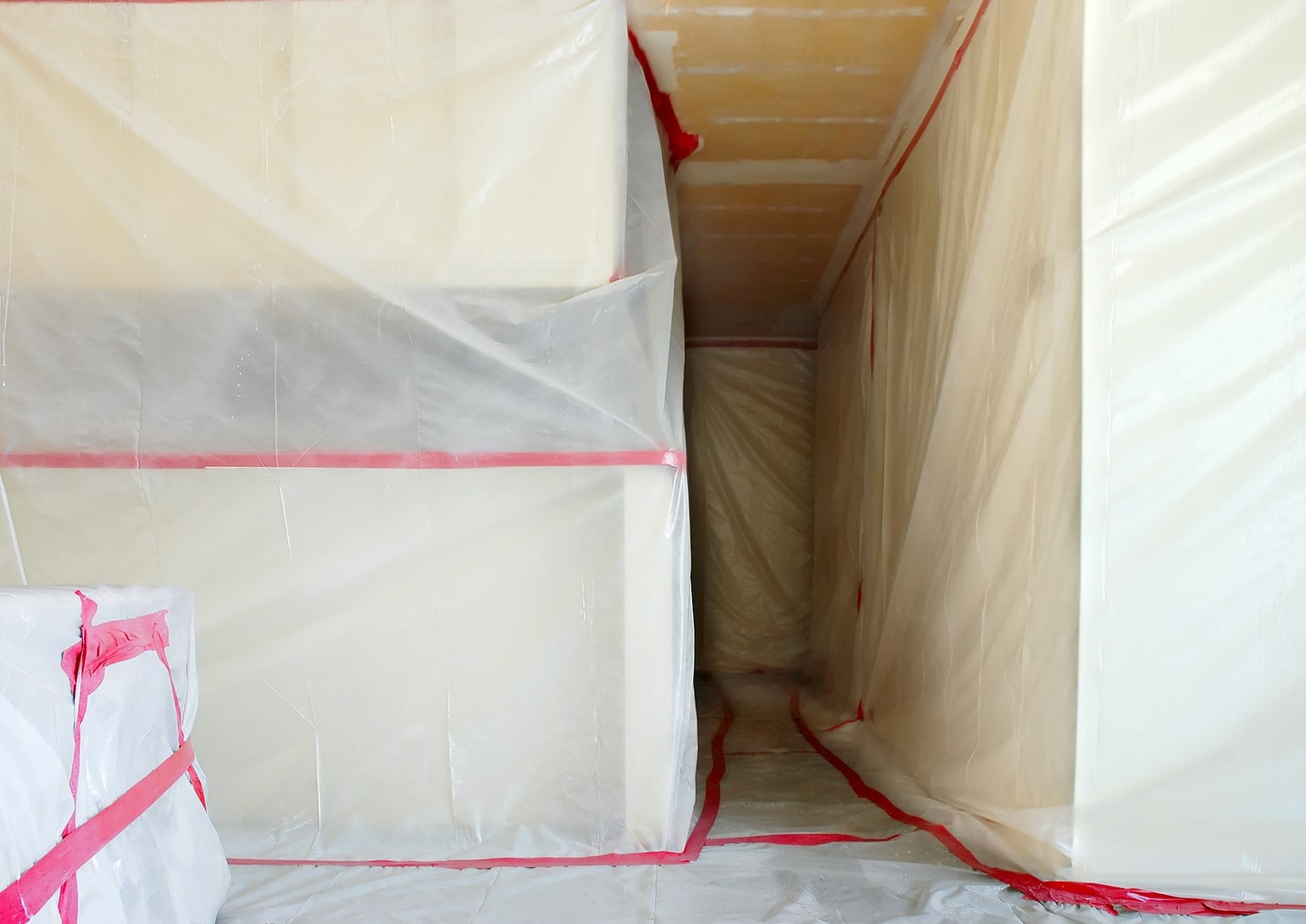
Among all remediation categories, asbestos is where owners most need to slow down and become selective. The reason is simple. Florida’s asbestos program is designed to minimize the release of asbestos fibers during abatement, remediation, handling, and disposal of asbestos-containing materials. That is a different level of concern than ordinary demolition or cleanup.
In practical terms, if a company walks into an older property with broken ceiling tile, damaged siding, cracked old floor tile, deteriorated pipe wrap, or roofing materials affected by a storm, they should not treat those materials casually. EPA guidance specifically notes those kinds of building materials as places asbestos may be found in older homes and buildings. Damage or renovation can disturb them. A properly trained and accredited professional should be involved when damage or planned work could release fibers.
For owners in Lake, Orange, Seminole, and Osceola counties, this is not some obscure technicality. It is part of responsible project planning. If the company you are interviewing seems annoyed by asbestos questions, move on.
The estimate should show thinking, not just pricing
A professional estimate or scope should reflect what the company believes is happening on site. Even without getting deep into technical jargon, you should see signs of reasoning. Does the scope separate emergency mitigation from later repairs? Does it account for materials that may need removal versus those that may be dried or cleaned? Does it acknowledge when additional assessment is necessary for HVAC, mold recurrence, or suspect materials?
A vague proposal can be tempting because it feels simple. The trouble is that simple paperwork often hides unresolved assumptions. If the source of moisture is unclear, say so. If HVAC assessment may be needed after water, fire, or mold damage, say so. If a storm event has affected multiple areas differently, the scope should not read as if every room experienced the same conditions.
Owners often think detailed estimates are “more expensive.” Sometimes they are. More often, they are just more honest.
Watch for these practical red flags
The quickest way to avoid a poor fit is to notice the patterns that tend to precede one:
- They offer certainty before inspection, especially about mold, odor, or hidden damage.
- They focus on cosmetic cleanup while barely discussing moisture, humidity, or source control.
- They dismiss HVAC concerns even when the system likely circulated during the loss.
- They treat possible asbestos in older damaged materials as an afterthought.
- They rely on round-the-clock availability as their main proof of quality.
A company can be responsive and still be wrong. It can also be careful and still move quickly. You want the second kind.
Matching the company to the property
Not every property owner is making the same decision. A homeowner in a single-family residence, a property manager handling multiple units, and a commercial owner with an older building all need slightly different strengths from a remediation partner.
For a homeowner, communication often matters most. You need clear explanations of what is wet, what is drying, what might need removal, and whether mold or HVAC concerns are still active. For a property manager, documentation and consistency usually matter more because multiple stakeholders are involved. For an older commercial or multifamily property, the company’s caution around renovation-related disturbance and suspect asbestos-containing materials may matter just as much as its drying equipment.
That is why “best remediation company” is never a universal title. The better question is whether the company is the best fit for this loss, in this building, under these conditions.
The smartest comparisons are specific
If you are evaluating providers for mold remediation Lake County work, compare how each company talks about moisture source correction and indoor humidity. If you need water damage restoration Central Florida service after a storm, compare how each one handles rapid drying and water-damaged contents. If the issue involves smoke, compare how they address spread and source-based odor elimination. If there is potential biohazard cleanup, compare their seriousness about containment and proper handling. If the building is older and damaged materials may be disturbed, compare their discipline around asbestos review before any aggressive tear-out begins.
Broad marketing claims blur these distinctions. A useful comparison sharpens them.
A final way to think about the decision
When owners regret a remediation hire, it is rarely because the company lacked a van, fans, or a phone line after hours. The regret usually comes from a missed diagnosis. The leak source was not solved. The mold kept coming back. The humidity problem was written off as “just Florida.” The fire smell was masked instead of addressed at its source. The HVAC system was ignored. The older damaged material that should have triggered caution did not.
Good remediation companies in Lake, Orange, Seminole, and Osceola counties understand that cleanup is only one part of the job. Their real value is in connecting the dots between damage, moisture, air movement, material condition, and safe handling. If you compare companies through that lens, you will make a better decision, and usually save yourself from paying twice for the same problem.